Warning: file_get_contents(https://dfyblogs.productaccess.in/dfyblogs-data/backlinkdata.php): Failed to open stream: HTTP request failed! HTTP/1.1 403 Forbidden in /home/localpex/public_html/wp-content/plugins/wpai-engine/public/class-wpai-engine-public.php on line 271
Introduction: Why Quick SEO Wins Matter
You don’t need a six-month overhaul to start seeing better search performance. Small, focused fixes can improve crawlability, increase clicks, and lift rankings fast. These quick wins are low-effort, high-impact tweaks that compound over time. Spend a few hours this week and watch steady improvements in traffic and visibility.
Win 1 — Optimize Title Tags for Clicks and Rankings
Title tags are your headline in search results. Make them descriptive, include the primary keyword near the front, and keep them under 60 characters so they don’t get cut off. Add a value proposition or modifier—think “Guide,” “2025,” or “Best”—to increase relevance and appeal. Each page should have a unique title; avoid generic defaults like “Home” or “Untitled.”
Win 2 — Craft Meta Descriptions That Boost CTR
Meta descriptions don’t directly affect ranking, but they influence whether people click. Write compelling, clear summaries that address user intent and include a call to action. Aim for 120–155 characters to display cleanly on most devices. Again, uniqueness matters: tailor descriptions to the page’s actual content to reduce bounce rates.
Win 3 — Speed Up Your Pages: Compress, Cache, and Trim
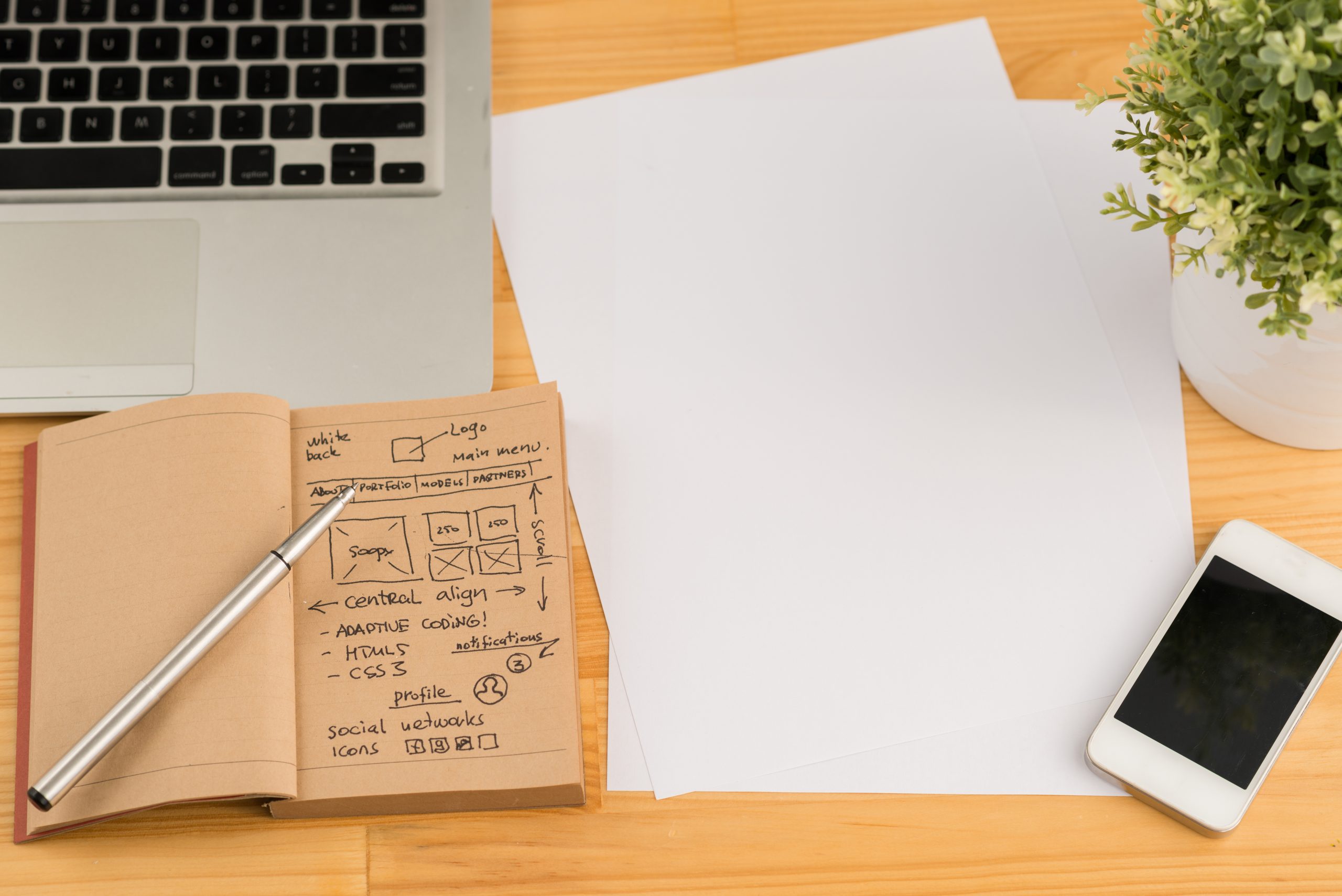
Page speed is a ranking factor and a user-experience killer when ignored. Compress images, enable browser caching, and minify CSS/JS. Use a Content Delivery Network (CDN) if your audience is geographically diverse. Run a quick audit with tools like PageSpeed Insights or GTmetrix, implement the low-hanging fixes, and re-test to measure gains.
Win 4 — Fix Broken Links and Tidy 404s
Broken links create friction for users and waste crawl budget. Use a crawler or Google Search Console to find 4xx errors, then redirect or update the links. For unavoidable 404s, design a helpful custom 404 page that guides visitors back to useful content—search box, top categories, or popular posts.
Win 5 — Add Strategic Internal Links to Spread Authority
Internal links help search engines understand site structure and distribute link equity. Identify cornerstone pages you want to rank and link to them from related blog posts and category pages. Use descriptive anchor text (not “click here”) and keep links natural. A modest internal linking push can boost visibility for priority pages.
Win 6 — Optimize Images: Filenames, Alt Text, and Compression
Images should be optimized for both speed and search. Rename files to descriptive, hyphenated phrases with target keywords (e.g., blue-running-shoes.jpg). Add concise, helpful alt text for accessibility and SEO. Compress images without losing noticeable quality—WebP is a great modern option.
Win 7 — Structure Content with Headers and Keyword Intent
Break content into scannable sections using H1, H2, H3 tags. Use header tags to reflect keyword intent—informational, transactional, or navigational—and answer the user’s question quickly. Clear structure helps readers and search engines understand what the page covers.
Quick Checklist: What You Can Complete This Week
Update title tags and meta descriptions for top 10 pages
Compress and convert images where needed
Enable caching and minify resources
Run a crawl to find and fix broken links
Add 3–5 internal links pointing to priority pages
Review headers and align with keyword intent
Next Steps: Measure Results and Keep Improving
Track performance in Google Analytics and Search Console. Monitor impressions, clicks, and average position for the updated pages over the next 2–6 weeks. Keep iterating: A/B test titles and descriptions, refresh content where needed, and repeat these small wins regularly. Consistency matters more than a single massive effort.